Blog ·
Finding Calm in Chaos: Create a Home That Reflects Your Ideal Lifestyle
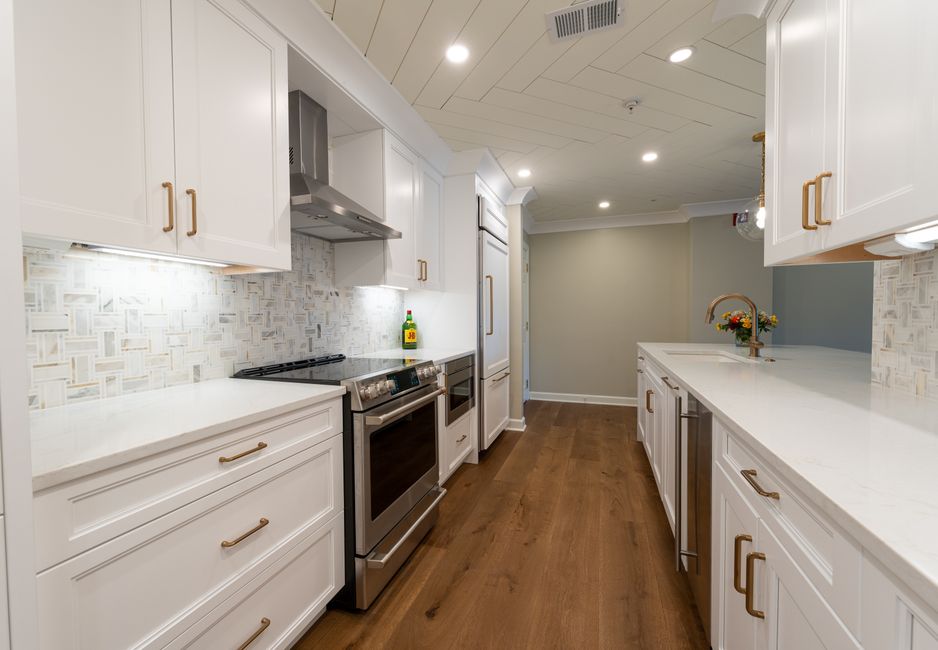
When your home doesn't reflect who you are or who you want to become, you feel it constantly. That subtle discomfort follows you through your day—a living room that doesn't feel like yours, a bedroom that doesn't promote sleep, a kitchen that discourages cooking. These spaces drain energy without you even realizing it.
But here's what changes when you intentionally reshape your home: you stop fighting your environment and start working with it.
Begin by getting clear about what calm and ideal actually mean to you. For some people, calm means minimal and spacious. For others, it means warm and filled with meaningful objects. Your ideal lifestyle might be centered on cooking, creating, hosting friends, or solitude. The point is identifying your values and letting them guide every decision about your space.
This creates a powerful filter. Instead of following generic design advice, you ask yourself: does this support my actual life? A minimalist might feel claustrophobic in a sparse apartment, while a creative person might feel restricted by it. Neither is wrong—they just have different needs.
Next, address the spaces where you spend the most time. Your bedroom should genuinely promote rest with the right temperature, light control, and comfort. Your home office should support focus. Your kitchen should make the activities you actually do feel effortless. Don't design for an imagined version of yourself. Design for your real life.
Pay attention to transitions. How do you move through your home? Does each space flow naturally to the next, or do you navigate awkwardly? Small adjustments to furniture placement, lighting, or clear pathways can dramatically improve how your home feels.
Storage deserves special attention because unseen clutter creates invisible stress. You don't have to see your belongings to feel burdened by them. Find homes for everything. Keep active items accessible; store seasonal or rarely-used items out of the way.
Finally, consider how different areas support different moods. Maybe you want your bedroom calm and restorative, your home office energized and focused, your living area warm and welcoming, your entryway clear and organized. Each zone can serve a specific purpose while your overall home tells a coherent story about who you are.
This isn't about renovation budgets or major projects. It's about intentional curation—keeping what serves you, changing what doesn't, and organizing everything with purpose. When your home reflects your values and supports your lifestyle, calm becomes the natural baseline, and your ideal life stops being something you're working toward and starts being something you're actually living.